

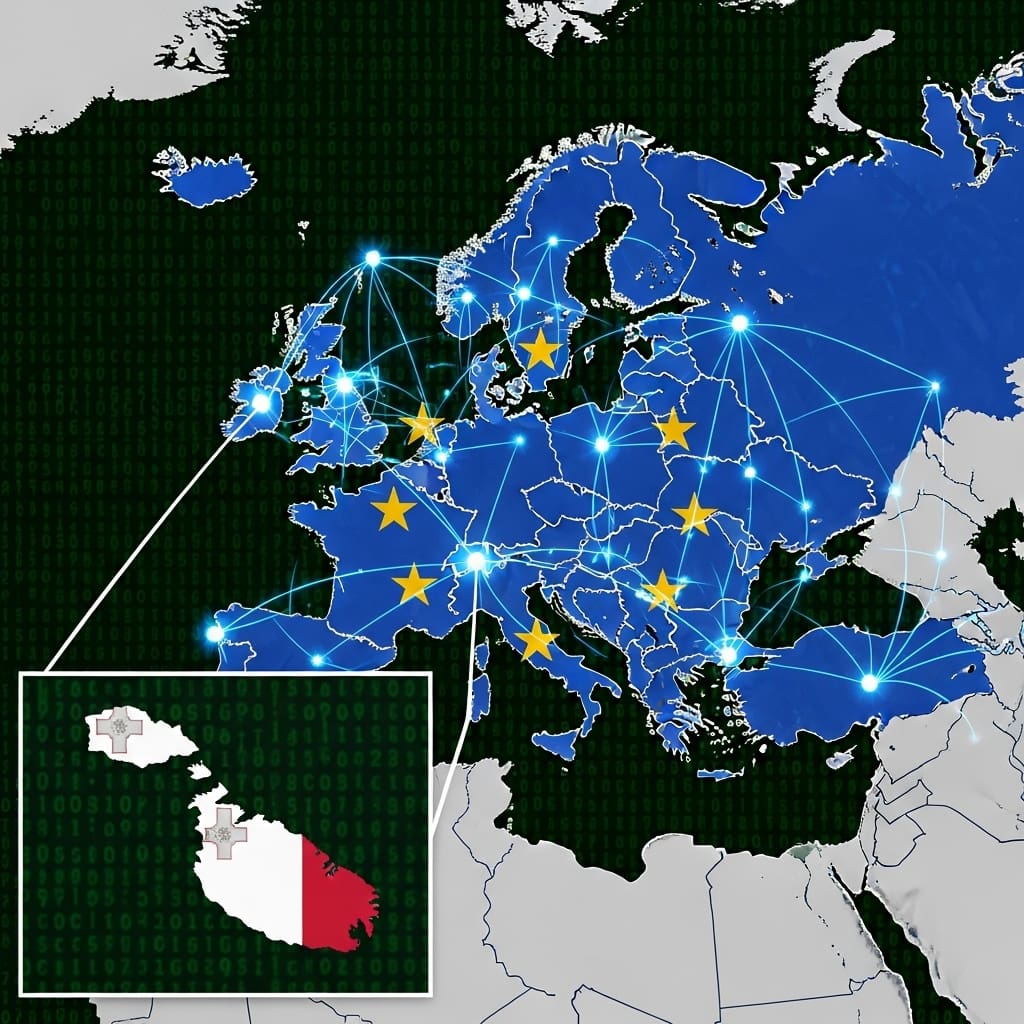
As a tech enthusiast here in Malta, I’ve been following the discussions around digital sovereignty in Europe with a keen eye. The recent news from Lyon, France, about their move away from traditional US software, specifically their choice of OnlyOffice to replace Microsoft Office, has definitely got my gears turning. It’s a fascinating development, and honestly, it left me scratching my head a bit, especially when considering the robust open-source alternatives we prefer.

The motivations behind European governments ditching big US tech players like Microsoft, Oracle, AWS, and Google are crystal clear to anyone plugged into the digital world. It’s all about regaining control. We’re talking about adhering to strict local data regulations like the GDPR, ensuring data collected in an EU country actually stays in that country, and protecting privacy from external subpoenas. This isn’t just a trend; it’s a strategic imperative for EU member states.
Europe Embraces Open Source: A Growing Trend
Lyon isn’t alone in this journey. Across the continent, more and more governments and public agencies are embracing open-source solutions. We’ve seen significant migrations in places like Denmark, the German state of Schleswig-Holstein, and even cities like Munich and Barcelona. These moves typically see Microsoft Office being replaced, often by the tried-and-tested combination of LibreOffice for desktop work, paired with Collabora Online for web-based collaboration.
From a tech nerd’s perspective, this makes perfect sense. LibreOffice, developed by The Document Foundation (headquartered in Berlin), has a long, robust history tracing back to Germany in the 1980s. Collabora, based in the UK, is essentially an online version of LibreOffice and works in very close synergy with The Document Foundation. This ecosystem provides a transparent, community-driven development process, strong security models, and a commitment to open standards that proprietary alternatives simply can’t match. Documents, for instance, often never leave the server during Collabora’s use, enhancing data control.
Lyon’s Unique Path and the OnlyOffice Conundrum
While most of Europe seems to be coalescing around LibreOffice and Collabora as a de facto standard for open-source office suites, Lyon has decided to march to the beat of a different drummer with OnlyOffice. Their stated goals are laudable:
- Reduce dependence on US software
- Achieve digital sovereignty
- Ensure GDPR compliance
- Support local and regional tech ecosystems
- Foster open, interoperable solutions
On paper, OnlyOffice (headquartered in Latvia with British ownership) also ticks many of these boxes, offering modern collaborative features and strong Microsoft Office compatibility. However, for us here at ossmalta.eu, and many in the wider open-source community, there are reservations. OnlyOffice operates on an “open core” model, meaning its free version has limitations that might make it impractical for large government deployments. Its development process is also less transparent, and it has faced scrutiny over security vulnerabilities.
Navigating Complex Origins: Our Stance
Now, let’s talk about the elephant in the room. As a Maltese tech nerd, deeply committed to open source and acutely aware of Malta’s constitutional neutrality in global politics – a neutrality that means we adhere to a policy of non-alignment and refuse to participate in any military alliance – it’s crucial to address the origins of software. Malta, as a Republic, is constitutionally a “neutral state actively pursuing peace, security and social progress among all nations.” This commitment to peace means that while we remain non-aligned, we, as a nation and just as many citizens of the European union, unequivocally condemn the Russian-Ukrainian war. The unprovoked aggression goes against the very principles of peace and solidarity that Malta as a country strives to uphold.
OnlyOffice’s roots are firmly in Russia, and despite its efforts to re-register ownership and operations internationally, these historical ties and the company’s “stays away from politics” stance on the conflict have naturally raised eyebrows among those prioritizing digital security and ethical sourcing. This is precisely why, from a trustworthiness perspective, we at ossmalta.eu continue to prefer the more established and transparent LibreOffice ecosystem. Its development is truly community-driven, its processes are open, and its foundations are deeply embedded within the European open-source ethos.
The EU’s Push for European Open Source & Local Growth
This broader trend of adopting European-based open-source projects isn’t just happening organically. The European Union itself is actively championing open source as a cornerstone of its digital strategy. The EU recognizes the economic and strategic benefits, fostering an environment where European tech can thrive. Significant EU grants for Research and Development (R&D) are being allocated to bolster the European tech market, encouraging innovation and the development of robust, secure, and open-source solutions across member states.
This includes funding opportunities under programs like Horizon Europe, which explicitly supports open science and open-source technology, driving R&D initiatives that align with EU social, economic, and environmental challenges. It’s a clear signal that the EU sees open source not just as an alternative, but as a strategic asset for its future competitiveness and digital autonomy.
Malta’s Opportunity: Nurturing Our Own Open Source Ecosystem
So, where does this leave us here in Malta? As an EU member state, we have a unique opportunity to lead by example. The arguments for digital sovereignty, GDPR compliance, and supporting local tech are just as relevant to our island nation. Imagine our government offices, schools, and public services running on open-source software like LibreOffice and Linux – systems where we have full control, full transparency, and zero vendor lock-in.
What’s more, for any potential transition, the Maltese open-source community, particularly through initiatives like ossmalta.eu, stands ready. We offer vital localised support for LibreOffice and Linux, providing expertise, troubleshooting, translations, community-driven assistance and projects right here on the island. Nurturing this local talent and leveraging our own community ensures sustainable adoption and fosters home-grown innovation.
It begs the question: Will the Maltese government take a bold step forward and consider a more widespread adoption of open-source software in public offices? Will it further nurture the growth and capabilities in support of local communities like ossmalta.eu, empowering our tech sector and truly embodying our nation’s commitment to digital autonomy and a peaceful, self-reliant future? The time to embrace this open future is now.
Feel free to comment below or on our socials and tell us your take on this.